
Mind the Architecture
Architecture is a journey, not a destination.
Let's make sure you're heading in the right direction.
In many organizations, software architecture is treated like a monument - something designed once, etched in stone, and feared by those who have to change it. This rigidity is the first sign of a failing system.
When I work with companies, I see three recurring pain points that prevent teams from delivering true value:
- Stagnation - architecture that cannot evolve alongside the business, eventually becoming a bottleneck rather than an enabler.
- The Context Gap - a "disconnect" where the code solves a problem, but the architecture fails to reflect the business domain. If you can’t see the business process in your system design, the complexity will eventually win.
- Ignored Human Factors - architecture that ignores the people building it. Systems fail when they ignore team structures, communication paths, and the cognitive load of the developers.
I help bridge these gaps. I believe that architecture is not about picking the trendiest technology; it is about Strategic Alignment.
Who am I?
I’m Sebastian Malaca, and I’ve spent over 15 years navigating the trenches of software engineering as an architect, consultant, trainer, and engineer.
My approach is always pragmatic and human-focused: I believe an architecture should serve the business and the team, not the other way around.
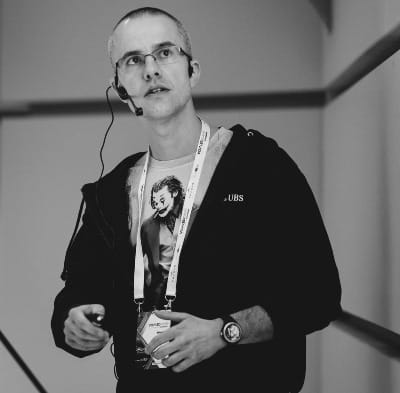
Today, I wear multiple hats:
- Architect & Engineer - I connect business goals with technical execution.
- Trainer & Consultant - I’ve delivered hundreds of training sessions and workshops on topics like microservices, Domain-Driven Design, event storming, testing, and technical communication. I guide teams in adopting these practices in the real world.
- Open Source Educator: I maintain the Training Center microservices project on GitHub, an educational platform that demonstrates how to build modern microservice architectures using DDD, event storming and hexagonal patterns.
- Blogger & Speaker: I’ve written technical articles and spoken at conferences like JDD, GeeCon, Devoxx and Confitura. Sharing knowledge is part of my mission.
What is this Site?
Mind the Architecture is a resource for those who want to move beyond "technicalities" and start building systems that actually work for the business and the people involved.
The name is a reminder: architecture is something to be mindful of, but not intimidated by. It is a series of trade-offs, not a search for a single "right" answer. Through articles, webinars, and deep dives, this site focuses on:
- Domain-Driven Design & Event Storming - Learn how to model code in terms of business domains, collaborate with stakeholders, and use workshops like event storming to uncover core concepts.
- Microservices & Architecture Patterns - Discover how to decompose systems into services, apply hexagonal (ports-and-adapters) design, and leverage event-driven techniques for scalability.
- Testing & Refactoring - Read about TDD, automated testing, and code refactoring to keep your codebase safe and adaptable even as requirements change.
- Team & Communication - Get advice on organizing teams around bounded contexts, facilitating architecture discussions, and improving technical communication between developers and non-technical leaders.
Whether you are a seasoned Architect struggling with organizational complexity or a Senior Developer looking to step into a leadership role for the first time, you will find content here designed to simplify the complex and make the "invisible" parts of architecture visible.
Let’s Build Something Evolving
If you’re ready to stop fighting your architecture and start evolving it, here’s how we can work together:
- Explore the Content - Dive into my latest articles to learn about DDD, Event-Driven Architecture, and leadership.
- Upskill Your Team - I offer specialized trainings and workshops on microservices, refactoring, and architectural design.
- Consulting - Need a pragmatic eye on your current system? Let’s talk about how we can bridge the gap in your organization.
Reach out directly to start the conversation: contact[at]sebastianmalaca.com