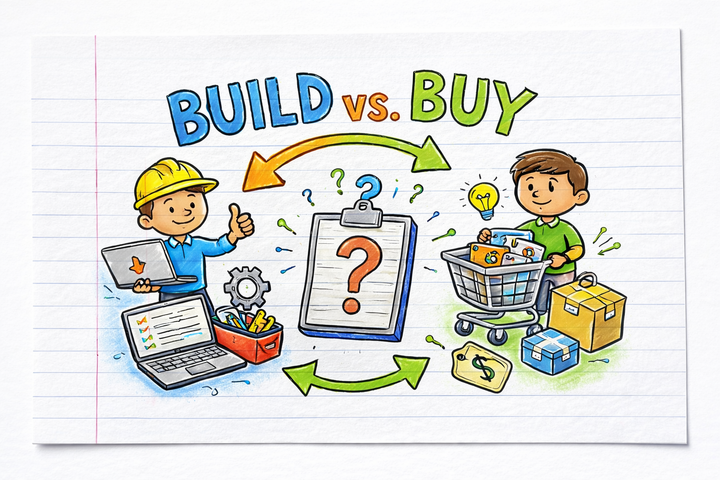
Domain Types: Build, buy, or outsource? (Part 2) Architectural decisions evolve with knowledge. Domain classification provides direction, helping teams balance building, buying, and outsourcing as the system and market change.
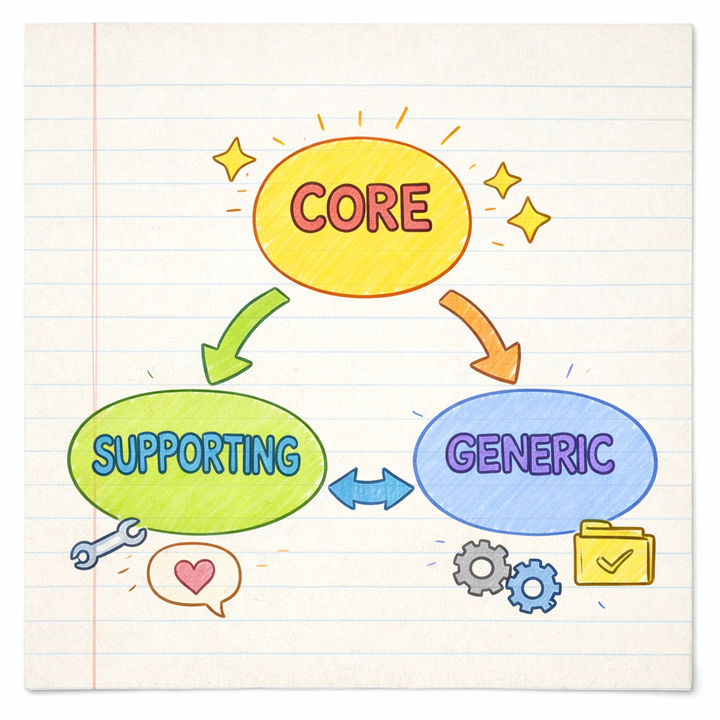
Domain Types: Identifying core, supporting, and generic domains (Part 1) Not all domains are equally important. Domain-Driven Design classifies them into core, supporting, and generic domains, helping teams focus their effort where the business gains the most competitive advantage.
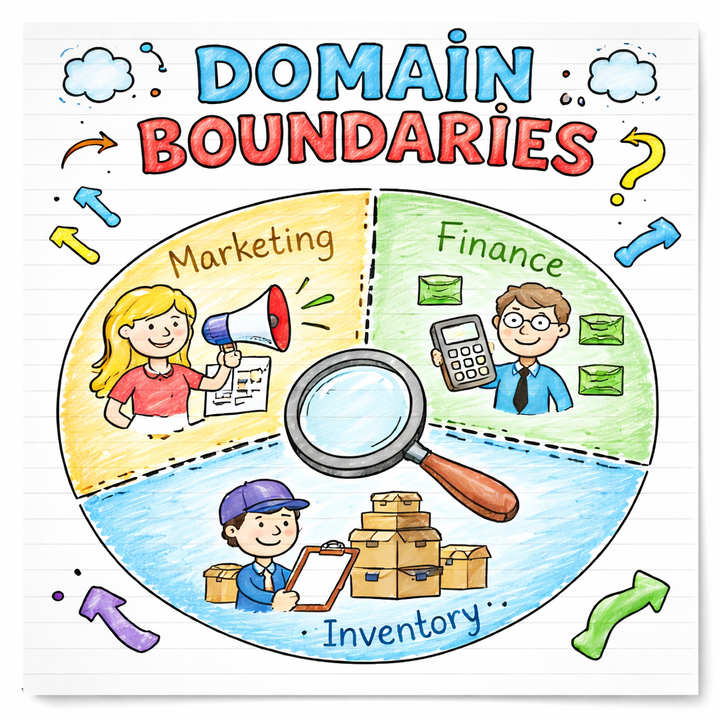
Ubiquitous Language: Structuring knowledge into domains (Part 3) The same word can mean different things in different domains. Identifying these differences helps reveal domain boundaries and ensures the language within each domain remains clear and unambiguous.
Ubiquitous Language: Words that reveal domains (Part 2) Language is a powerful tool for discovering domain boundaries. By analyzing terms, meanings, and context, teams can better structure their systems around real business knowledge.
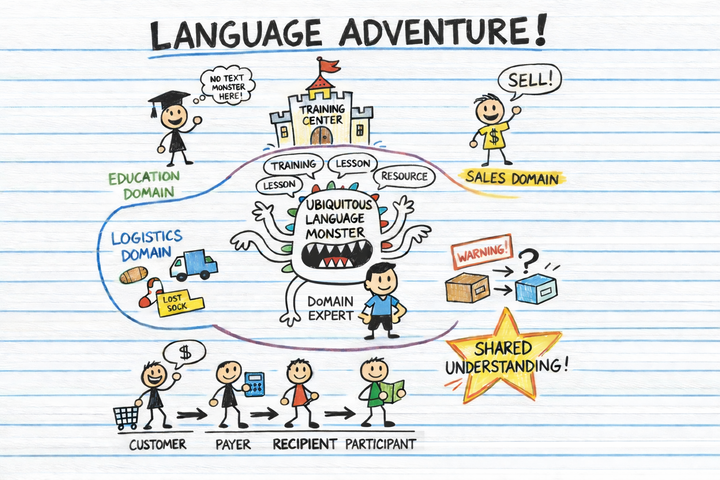
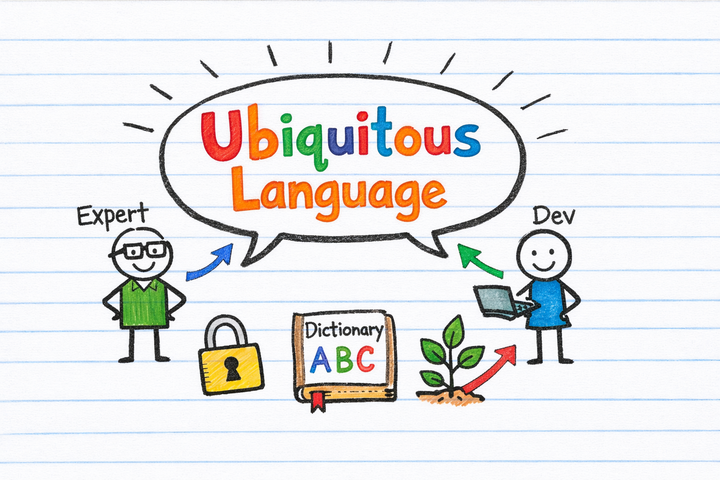
Ubiquitous Language: Stopping the translation game (Part 1) Ubiquitous Language is a core Domain-Driven Design pattern that aligns developers and domain experts through a shared vocabulary used consistently in conversations, documentation, APIs, and code.
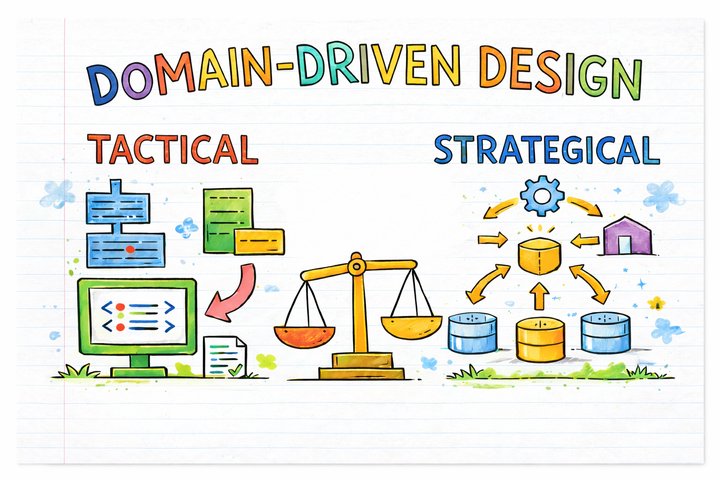
The strategic and tactical sides of Domain-Driven Design Domain-Driven Design improves collaboration, system evolution, and onboarding by embedding domain knowledge directly into code and establishing clear architectural boundaries.